
Chapter 1: Understanding the Arizona Real Estate Landscape Arizona’s real estate landscape is as diverse as its stunning natural scenery. From the bustling urban hubs of Phoenix and Tucson to the tranquil retreats of Sedona and Flagstaff, the Grand Canyon State offers a wide range of investment opportunities for savvy real estate investors. In this chapter, we’ll delve into the key factors shaping the Arizona real estate market, including economic indicators, population trends, and geographic considerations.
1.1 Economic Overview Arizona boasts a robust and growing economy, driven by a diverse range of industries. Key sectors contributing to the state’s economic vitality include:
Technology and Innovation: Phoenix has emerged as a hub for tech companies and startups, attracting talent and investment capital from around the country. The presence of major tech firms, research institutions, and incubators has propelled Arizona’s tech sector to new heights.
Healthcare and Bioscience: With world-class medical facilities and a thriving bioscience industry, Arizona has positioned itself as a leader in healthcare innovation. Tucson’s Bioscience Research Park and Phoenix’s Biomedical Campus are driving advancements in medical research and attracting top talent to the state.
Tourism and Hospitality: Arizona’s natural beauty and cultural attractions draw millions of visitors each year, contributing significantly to the state’s economy. From the iconic Grand Canyon to the vibrant arts scene in Sedona, tourism remains a vital driver of economic growth and real estate demand.
Manufacturing and Logistics: Arizona’s strategic location and robust infrastructure make it an ideal location for manufacturing and logistics operations. The state’s proximity to major transportation corridors, including Interstate 10 and Interstate 17, facilitates the movement of goods and materials throughout the region.
1.2 Population Dynamics Arizona’s population has been steadily growing in recent years, fueled by both domestic migration and international immigration. Key factors contributing to population growth include:
In-Migration: Arizona’s warm climate, affordable housing, and job opportunities attract residents from other states seeking a higher quality of life and lower cost of living. Cities like Phoenix and Tucson have experienced significant population gains because of immigration from states like California, Illinois, and New York.
Retirement Migration: Arizona has long been a popular destination for retirees seeking a sun-soaked retirement lifestyle. Communities like Sun City and Green Valley cater to the needs of active seniors, offering amenities such as golf courses, recreational facilities, and cultural activities.
International Immigration: Arizona’s proximity to the Mexican border and its multicultural population makes it a magnet for international immigrants. Cities like Phoenix and Tucson are home to vibrant immigrant communities, contributing to the state’s cultural diversity and economic vitality.
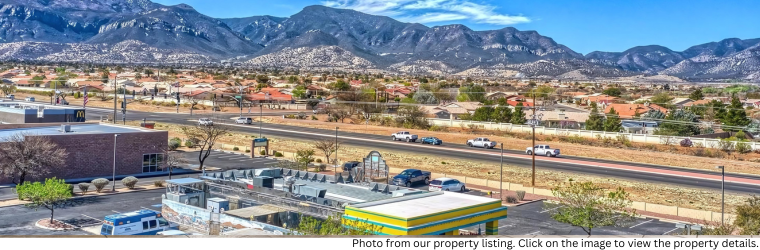
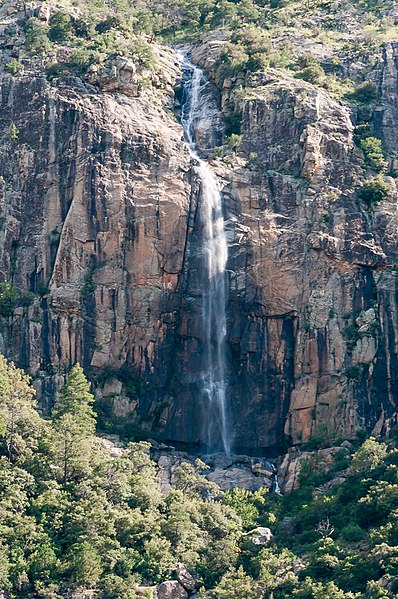
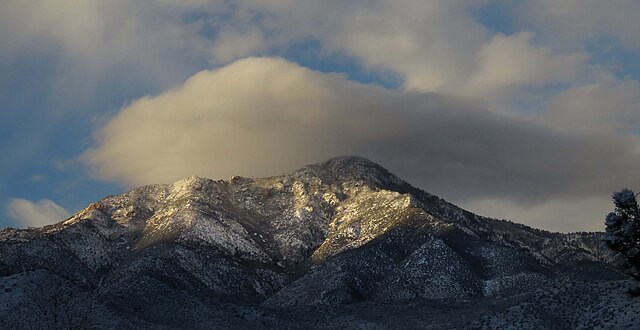
1.3 Geographic Considerations Arizona’s diverse geography encompasses everything from arid deserts and rugged mountains to lush forests and picturesque lakes. Each region offers unique opportunities and challenges for real estate investors:
Phoenix Metropolitan Area: As the capital and largest city in Arizona, Phoenix is a vibrant metropolis with a thriving real estate market. Submarkets like Scottsdale, Tempe, and Chandler offer a mix of residential, commercial, and mixed-use developments catering to a variety of lifestyles and preferences.
Tucson: Located in southern Arizona, Tucson is known for its rich cultural heritage, vibrant arts scene, and affordable housing. The city’s diverse neighborhoods and eclectic mix of architectural styles make it an attractive destination for both residents and investors.
Northern Arizona: The northern part of the state, including Flagstaff, Sedona, and Prescott, offers a cooler climate and stunning natural beauty. These areas are popular tourist destinations and second-home markets, with opportunities for vacation rentals, luxury homes, and outdoor recreational properties.
1.4 Market Dynamics The Arizona real estate market is characterized by strong demand, limited inventory, and steady appreciation.
Key market dynamics include: Supply and Demand: High demand for housing, coupled with limited inventory, has led to competitive bidding wars and rising home prices in many parts of the state. Sellers often receive multiple offers above the asking price, making it a challenging market for buyers.
Appreciation: Arizona’s real estate market has experienced steady appreciation in recent years, outpacing national averages in terms of home price growth. Strong demand from buyers, coupled with limited new construction, has fueled price appreciation across various property types and market segments.
Rental Market: With a growing population and an influx of new residents, the rental market in Arizona remains strong. Demand for rental properties is particularly high in urban areas and college towns, where young professionals and students seek affordable housing options.
For expert guidance and personalized assistance navigating the Arizona real estate market, contact Team Derrick Coates, your trusted local real estate agency. With years of experience and a deep understanding of the market, our dedicated team of professionals is committed to helping you achieve your investment goals. Whether you’re buying, selling, or investing in Arizona real estate, Team Derrick Coates is here to provide the support and expertise you need to succeed. Contact us today to schedule a consultation and take the first step toward realizing your real estate aspirations.